
Looking and Really Seeing
so-called minorities as actual people

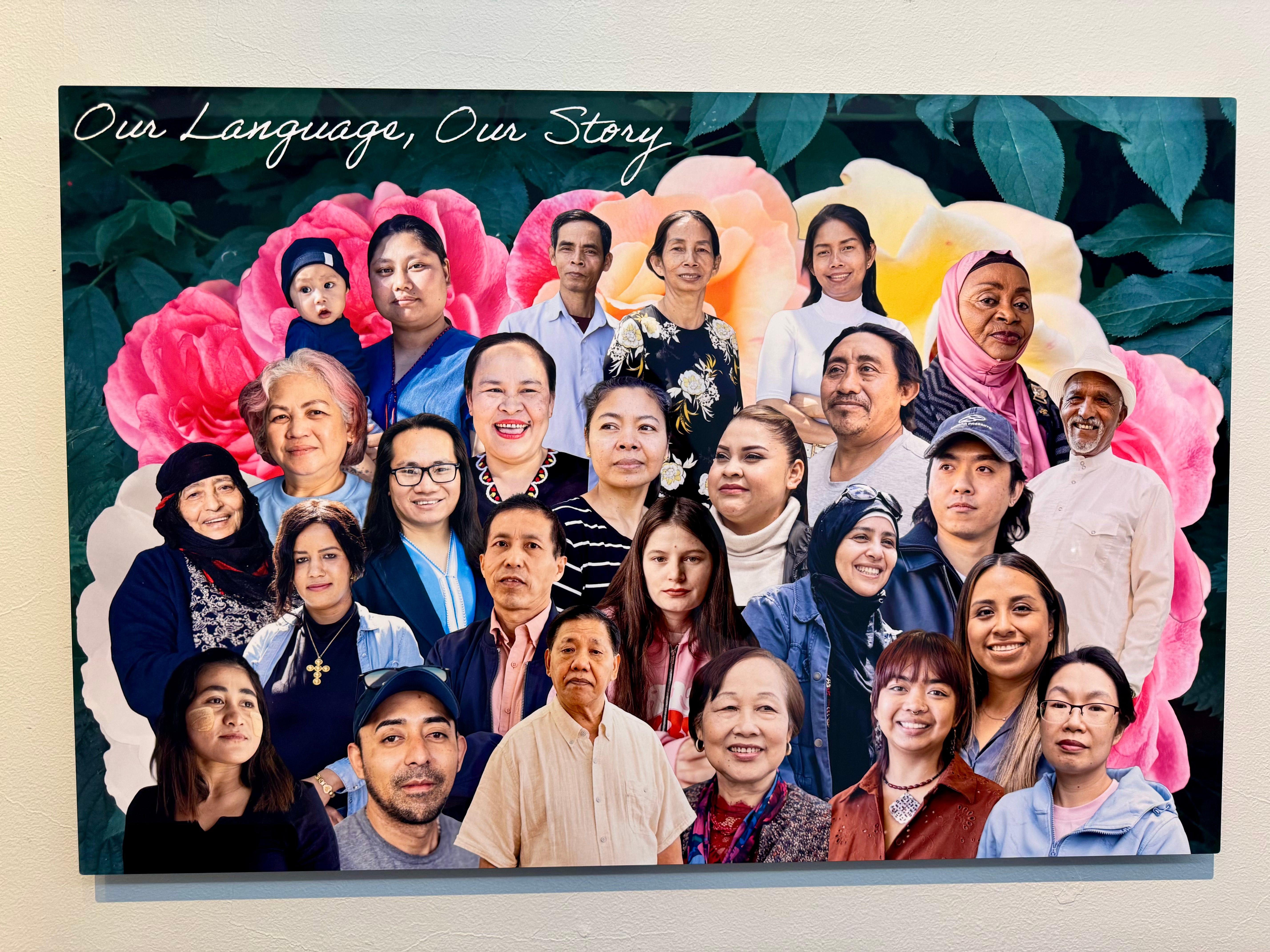
Sometimes words fail us. Sometimes, we overuse words meant for describing power when we’re trying to talk about people. When we call people minorities, it should only ever be in the context of naming and questioning who gets to be in the majority. These terms serve a purpose. They describe the power dynamics in society, a community, an industry, a workplace. We have to talk about them plainly in order to protect human rights and correct imbalances of power. But when it comes to describing individual human beings, the same words can only tell you the most reductive things about a person. The word minority, and even more specific identifying words like BIPOC, person of color, queer person, et cetera, don’t really tell you what a person is like, who they love, what they dream of, what makes them nervous, what makes them glad.
This is where art can help. Good art doesn’t have to try hard to “humanize” people. They were never not human. Good art helps the viewer look and see better. Dehumanizing was always a problem of the gazer, not the gazed upon. Sometimes art is able to get to the human core of things and also address imbalances of power, and I’m always glad when this happens.
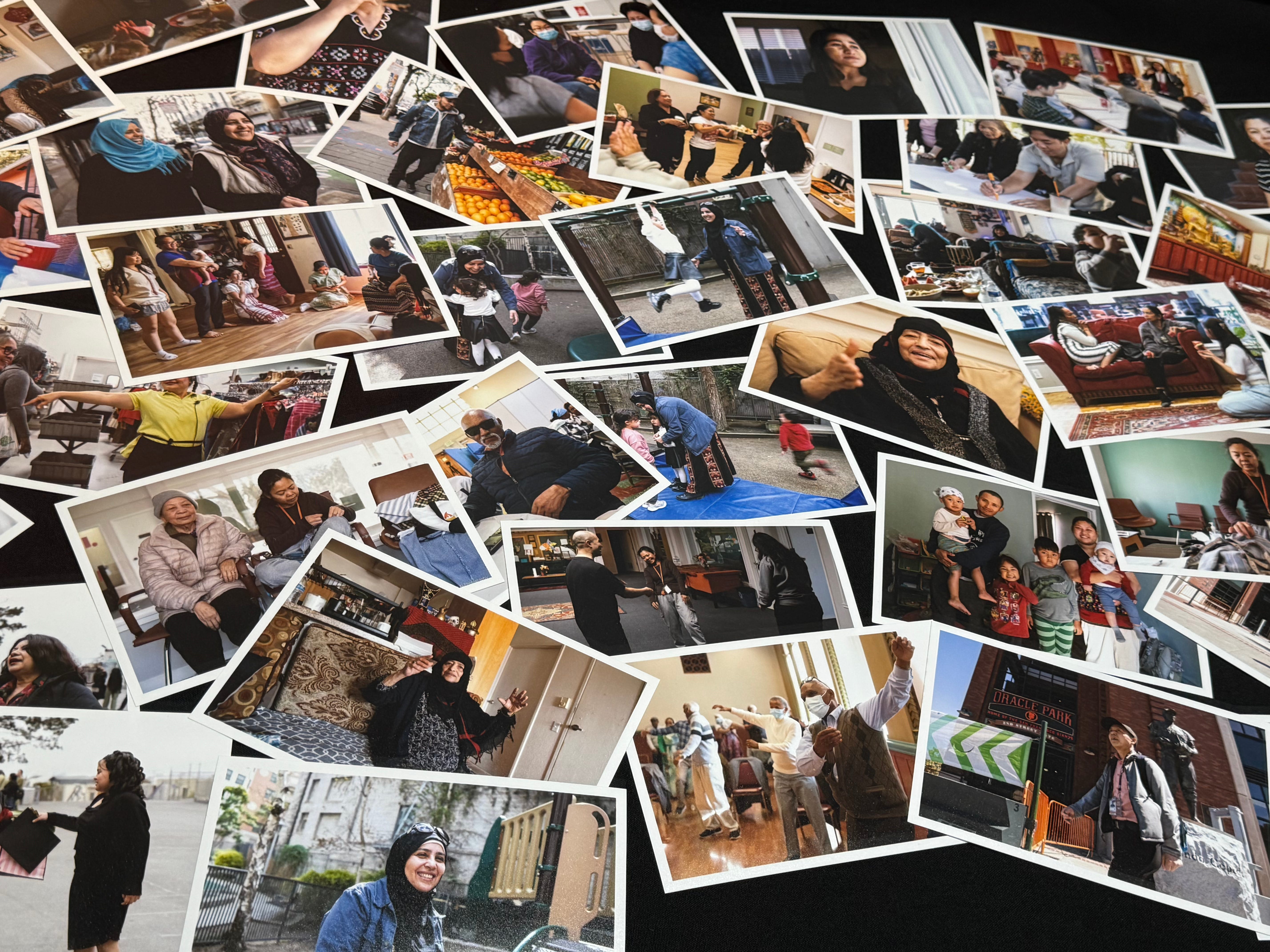
If you’re in Oakland Chinatown this spring, make sure to stop in the Oakland Asian Cultural Center and look for this exhibit of photographs of Bay Area immigrants by local photographer and activist, Joyce Xi.
It’s not obvious from the outside where it is, but this is what the facade of the building looks like:
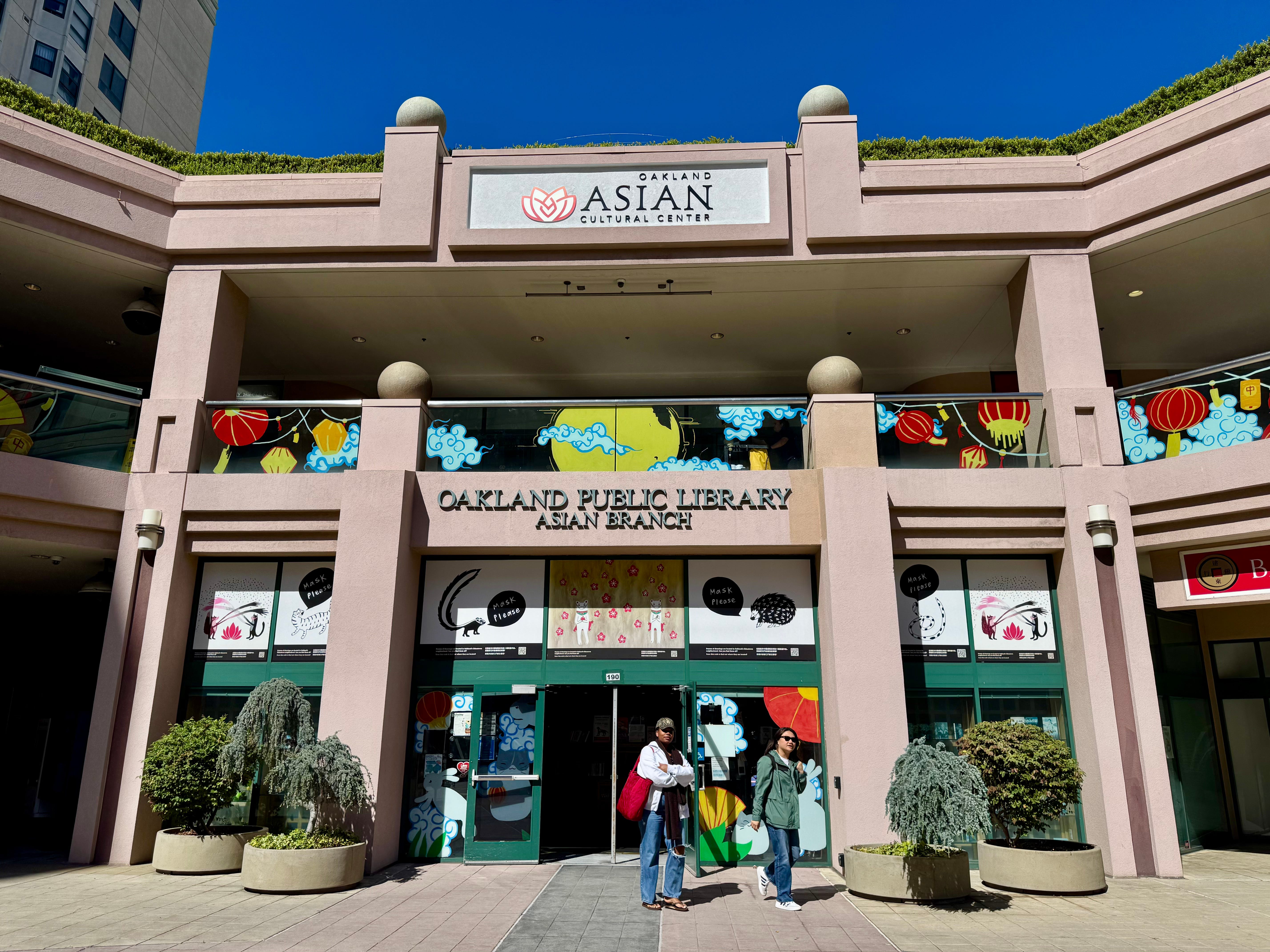
You might recognize this plaza because its garage is one of the best places to park in Chinatown. Go up to the second floor, through the main doors of the Oakland Asian Cultural Center, and to the hallway on your right. There you’ll find several displays of photographs – first the smaller ones, then larger portraits as you continue through another doorway, down the hall.
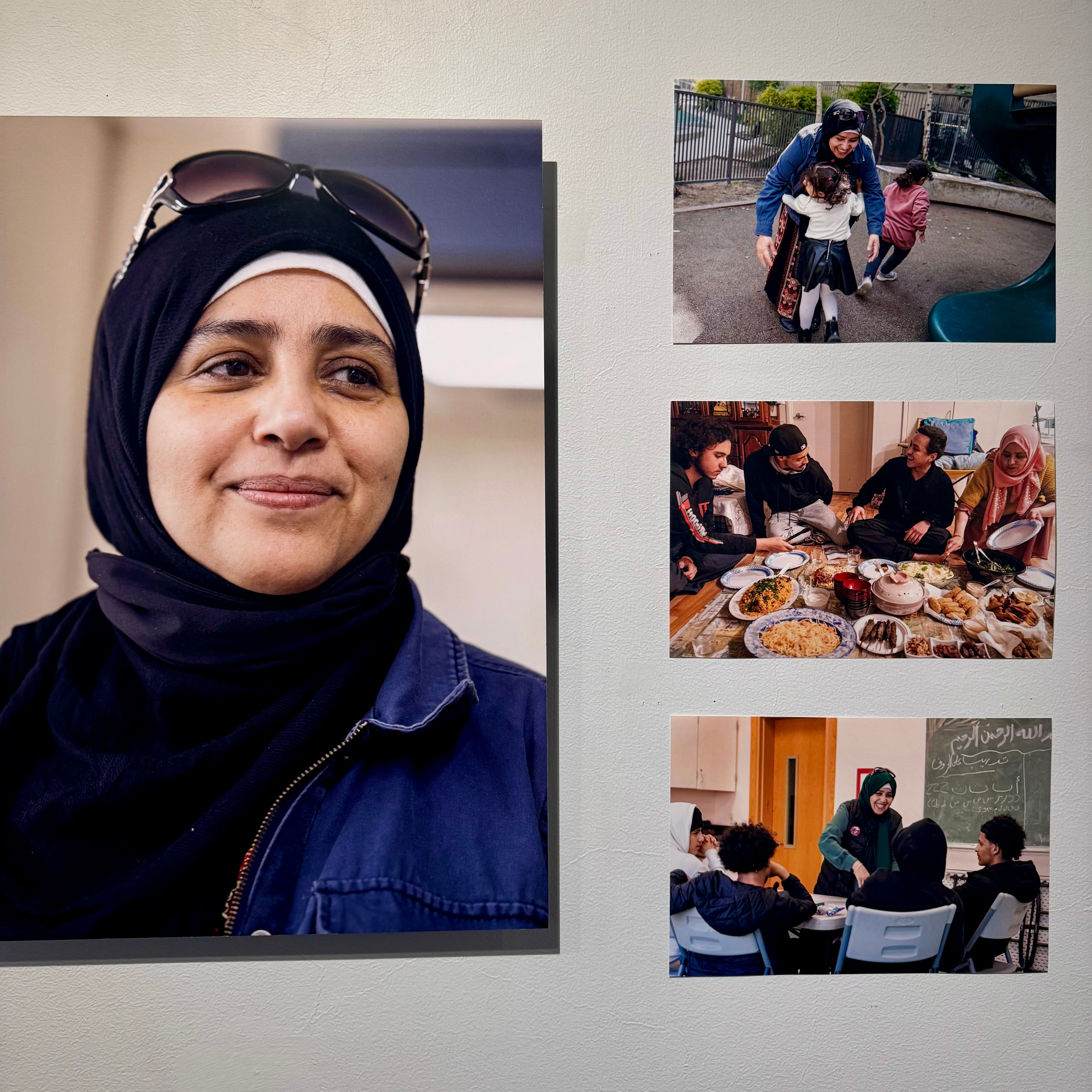
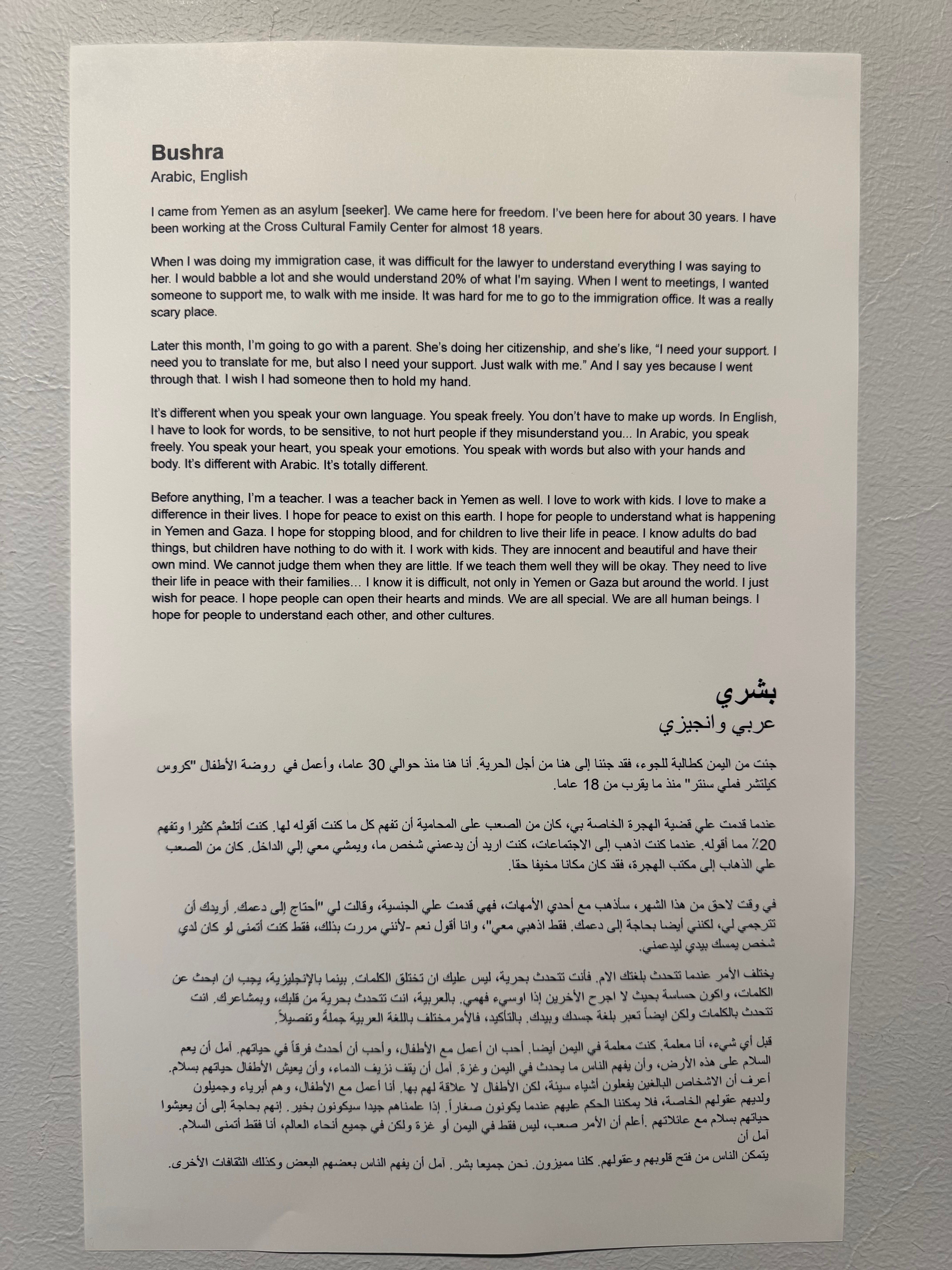
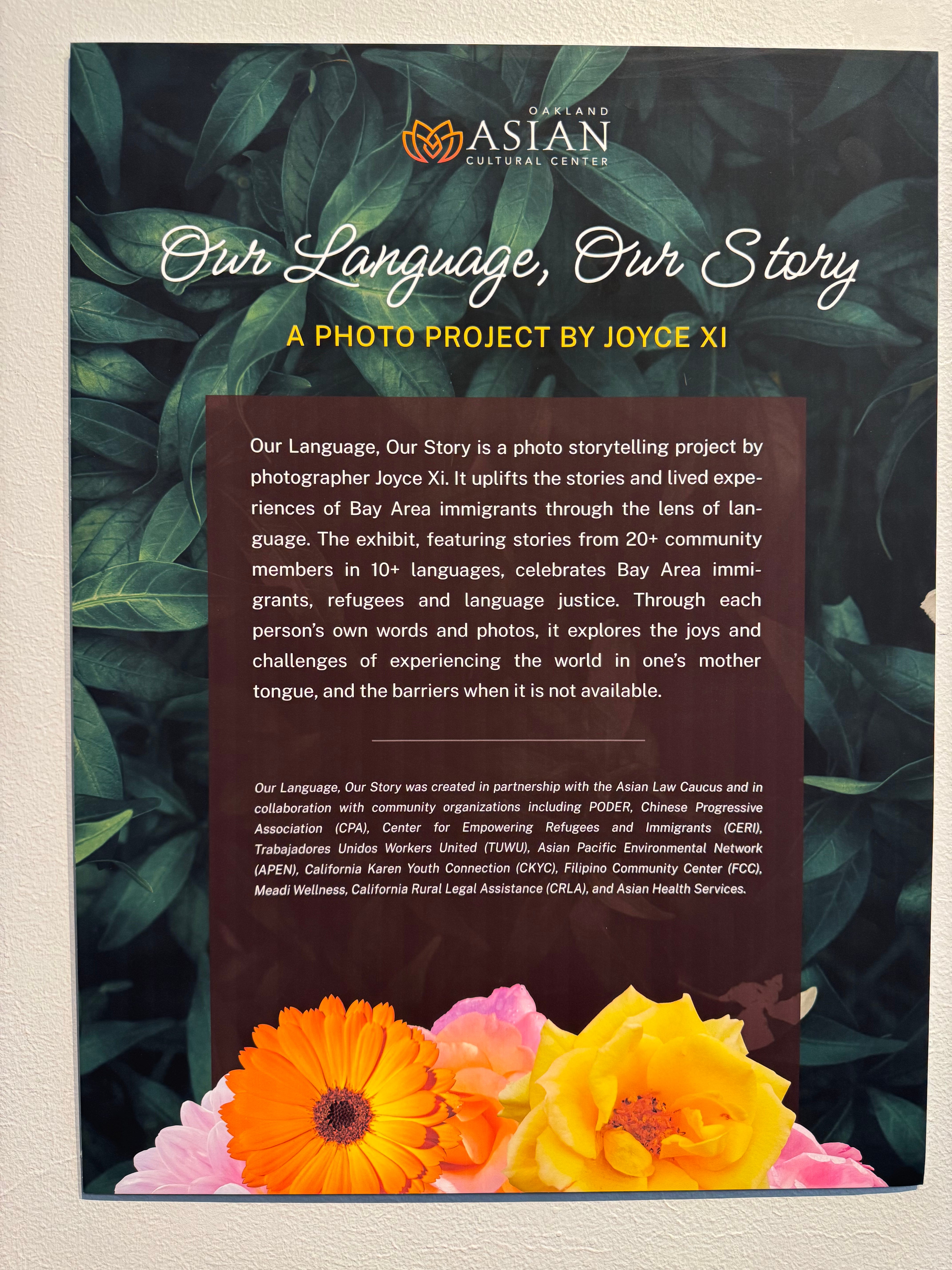
I usually don’t love wall text in an art exhibit, but in this case it was necessary and powerful to read the words of the people in the photos.
“It’s different when you speak your own language. You speak freely. You don’t have to make up words…. You speak your heart, you speak your emotions.”
– Bushra
I learned English as a small child, before I was aware of language as a thing one has to learn. I remember not being able to understand or communicate at daycare when I was three or four, and that it felt isolating. And then I remember being five or six, in kindergarten, and resenting being pulled out of class for ESL instruction that I no longer needed. And slowly losing my Vietnamese as English became the language in which I think. It’s still there in me, not lost completely, as I grew up speaking it to my parents and to most of my elders. There are parts of me that can only be accessed through the tones of Vietnamese, certain words that strike a special chord, notes that don’t resonate otherwise. To be all the parts of me, I need more than one language.
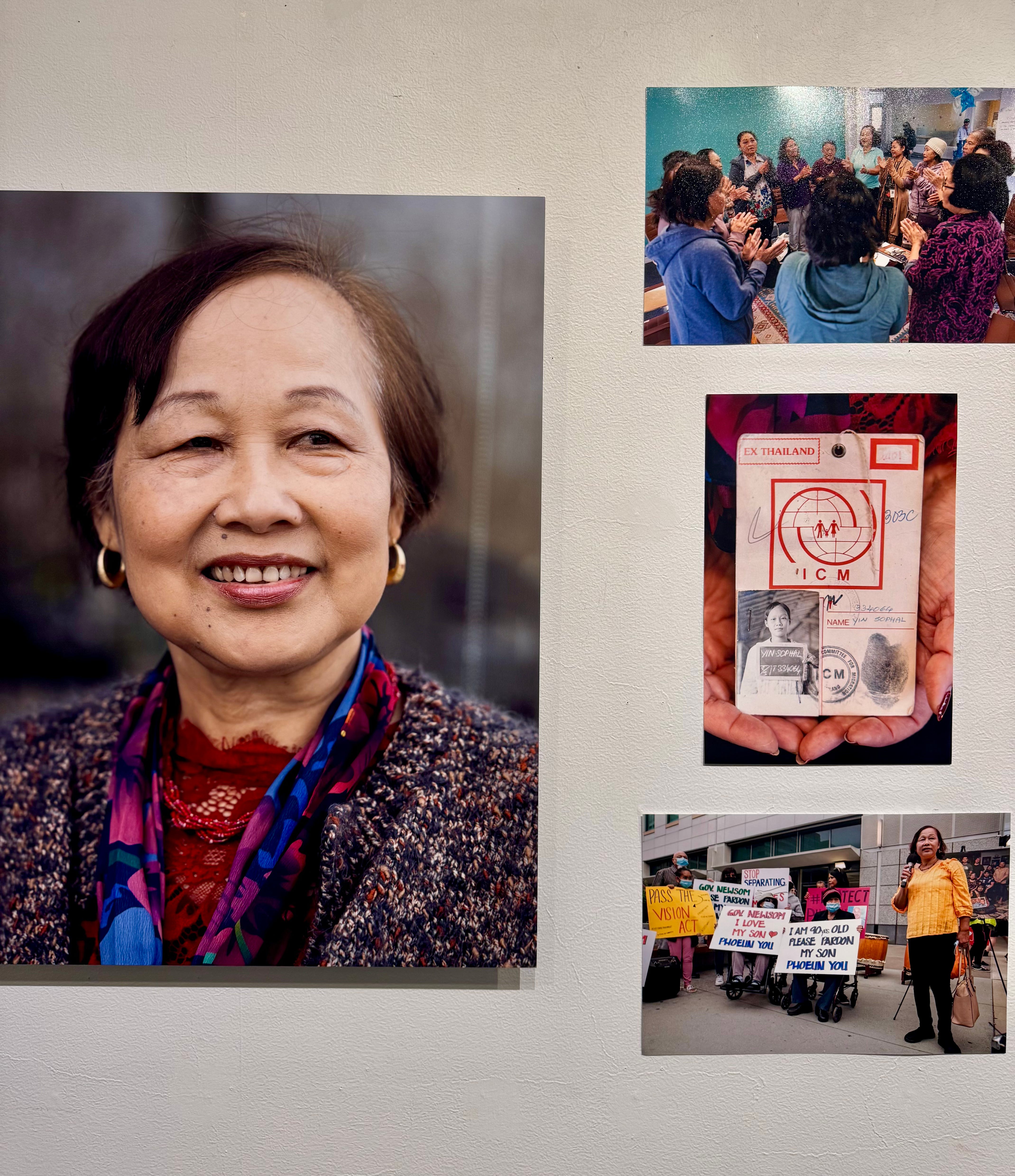
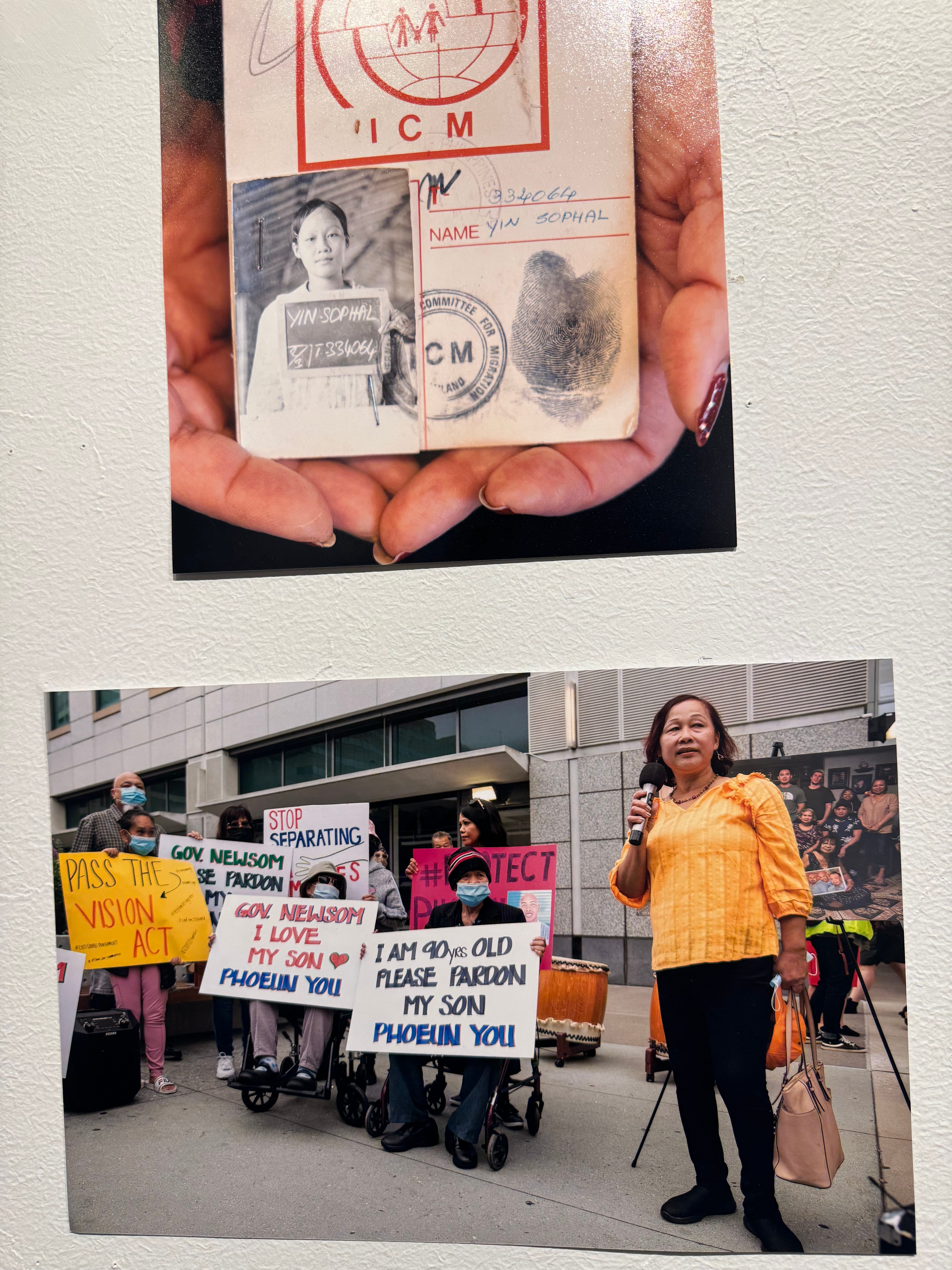
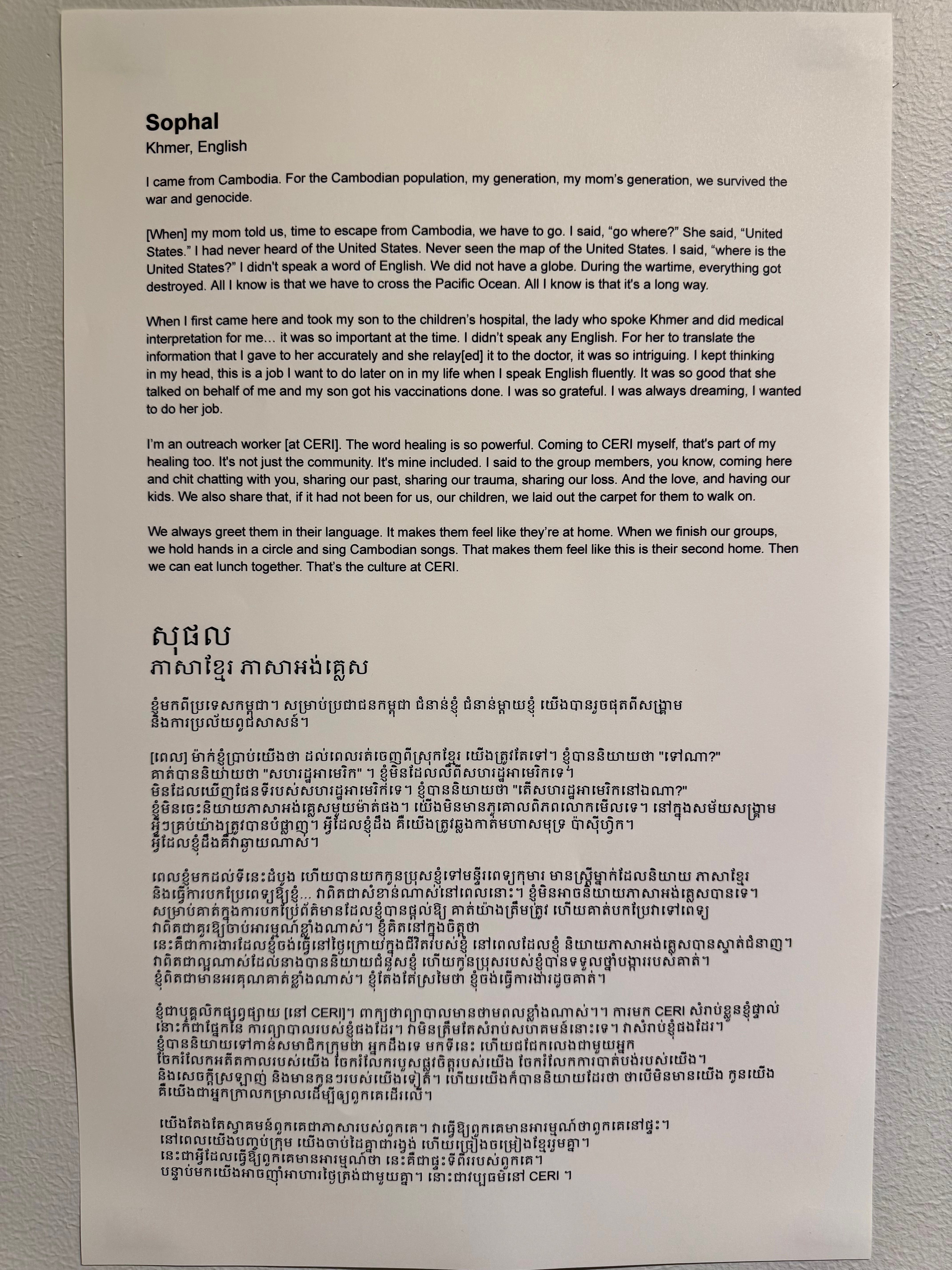
“When I first came here and took my son to the children’s hospital, the lady who spoke Khmer and did medical interpretation for me… it was so important at the time. I didn’t speak any English. For her to translate the information that I gave to her accurately and she relay[ed] it to the doctor, it was so intriguing. I kept thinking in my head, this is a job I want to do later in life when I speak English fluently.”
– Sophal
I think about the continuity built by refugees and immigrants who become helpers for the ones who come after them. How much this is needed.
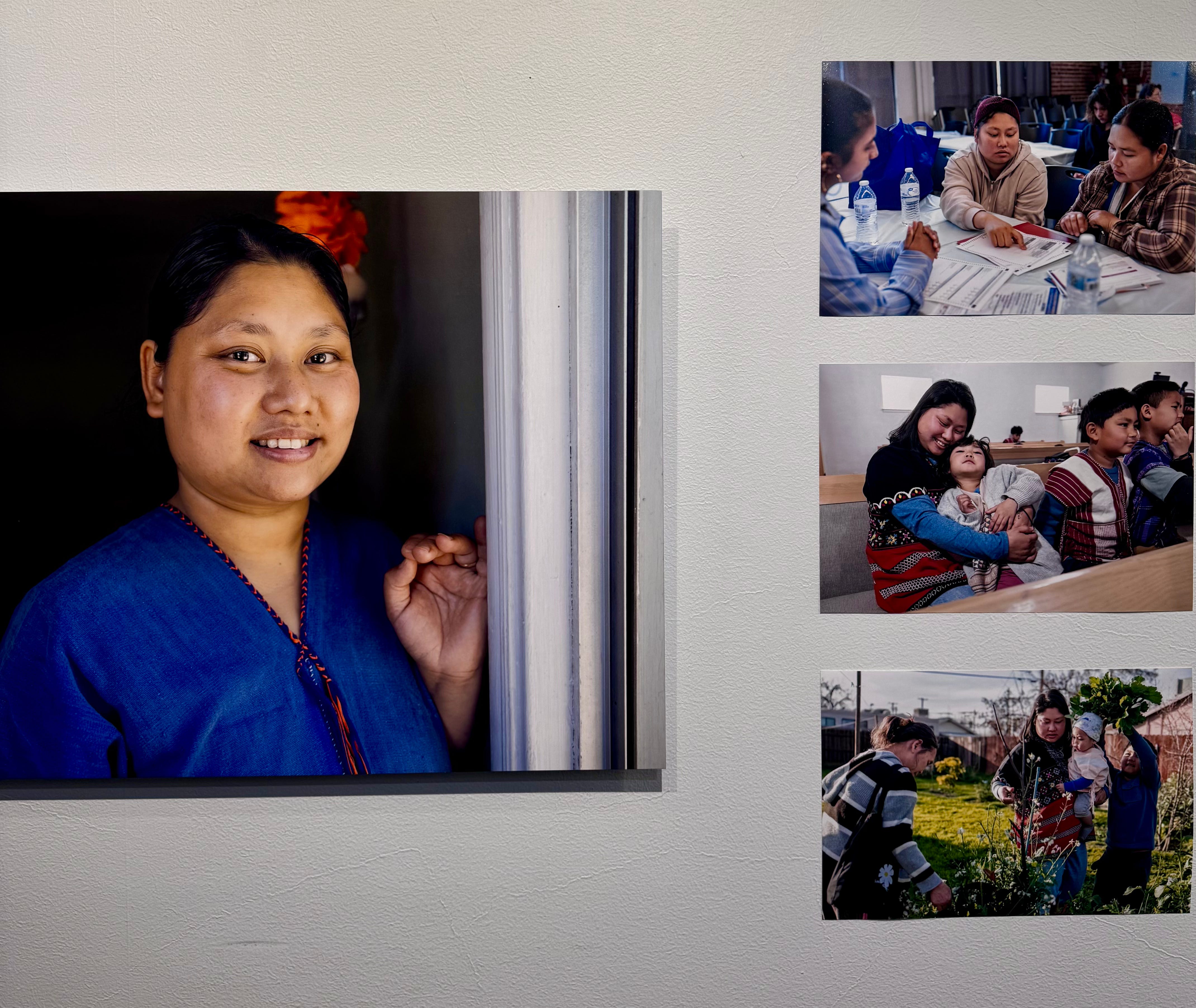
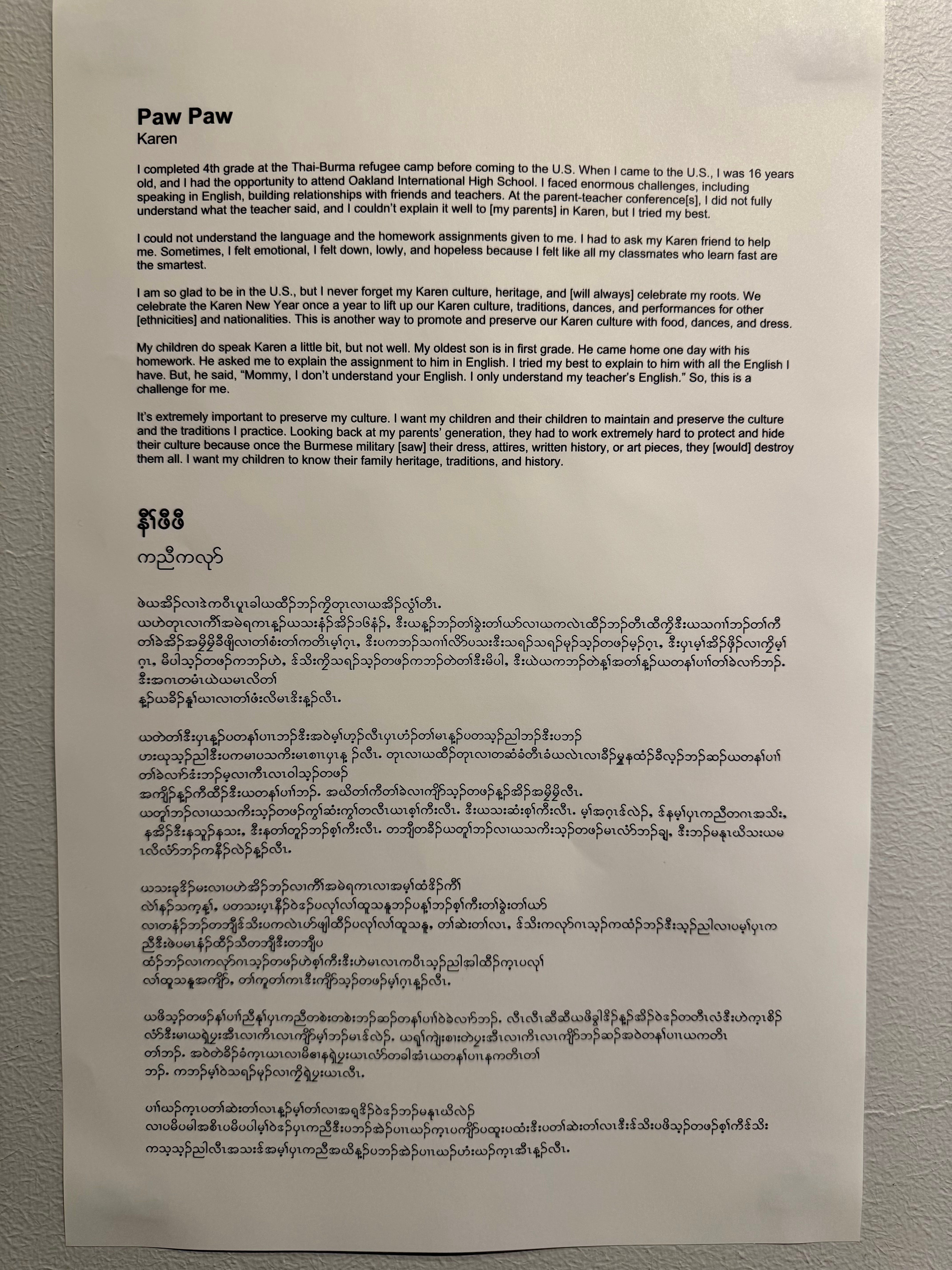
“I completed the 4th grade at the Thai-Burma refugee camp before coming to the U.S. When I came to the U.S., I was 16 years old, and I had the opportunity to attend Oakland International High School. I faced enormous challenges, including speaking in English, building relationships with friends and teachers.”
– Paw Paw
I recognized my former student from Oakland International High School before I read the wall text next to her portrait. And I remembered how she used to look at me sometimes, a mixture of sad and sorry. I was sorry too, for the gaps between us that the words we had could not bridge.
It strikes me now that we are not meant to understand everyone fully – how could we? But we can relinquish the colonizing impulse to control their language and how they express themselves. In California, a relatively large number of languages are considered in public contexts like signage, medical documents, and voter guides. English-only initiatives are stupidly popular in many states. With French roots, Louisiana is a bit of an outlier in the South, and New Orleans the American city most like being in another country. I learn new words here all the time.
But it was in Oakland, where I was a public school teacher whose students spoke over 30 different languages, that I experienced, on the daily, the complex beauty of the world, and was challenged, on the daily, to rise to meet it. Go see this photo exhibit if you can. You’ll get a taste of the richness of that experience, and come out a better person for it.
Thank you to everyone who has subscribed and supported this publication through paid subscriptions and founding member donations! With your financial backing, I’m able to travel to visit folks in prison and detention and beyond, and to include that reporting in my writing. Next week I’m going to Georgia to write about ICE and family separation.
If you know people who would like this site, please recommend it to them. Thank you!