
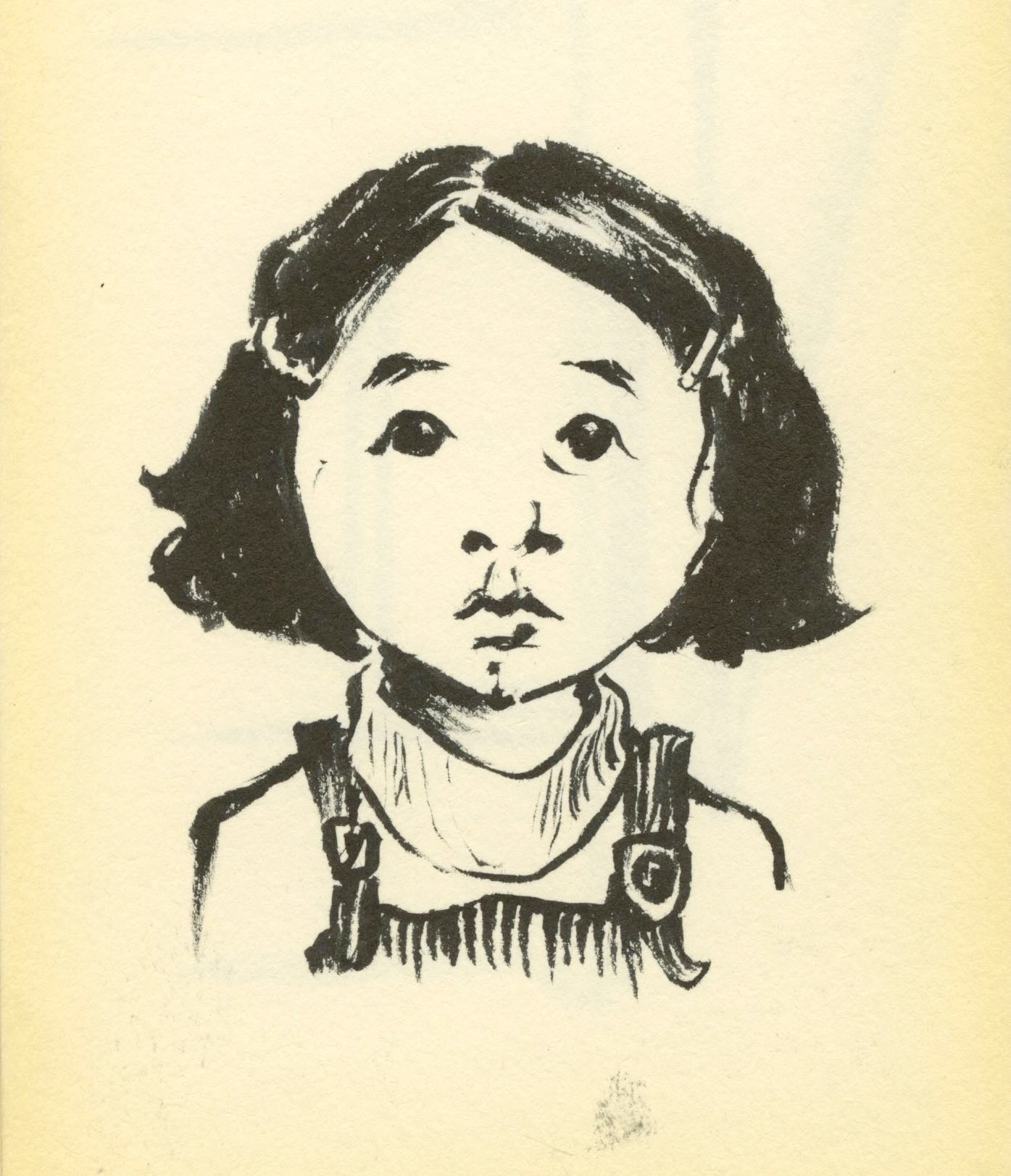
Old Drawings
New thoughts, different methods

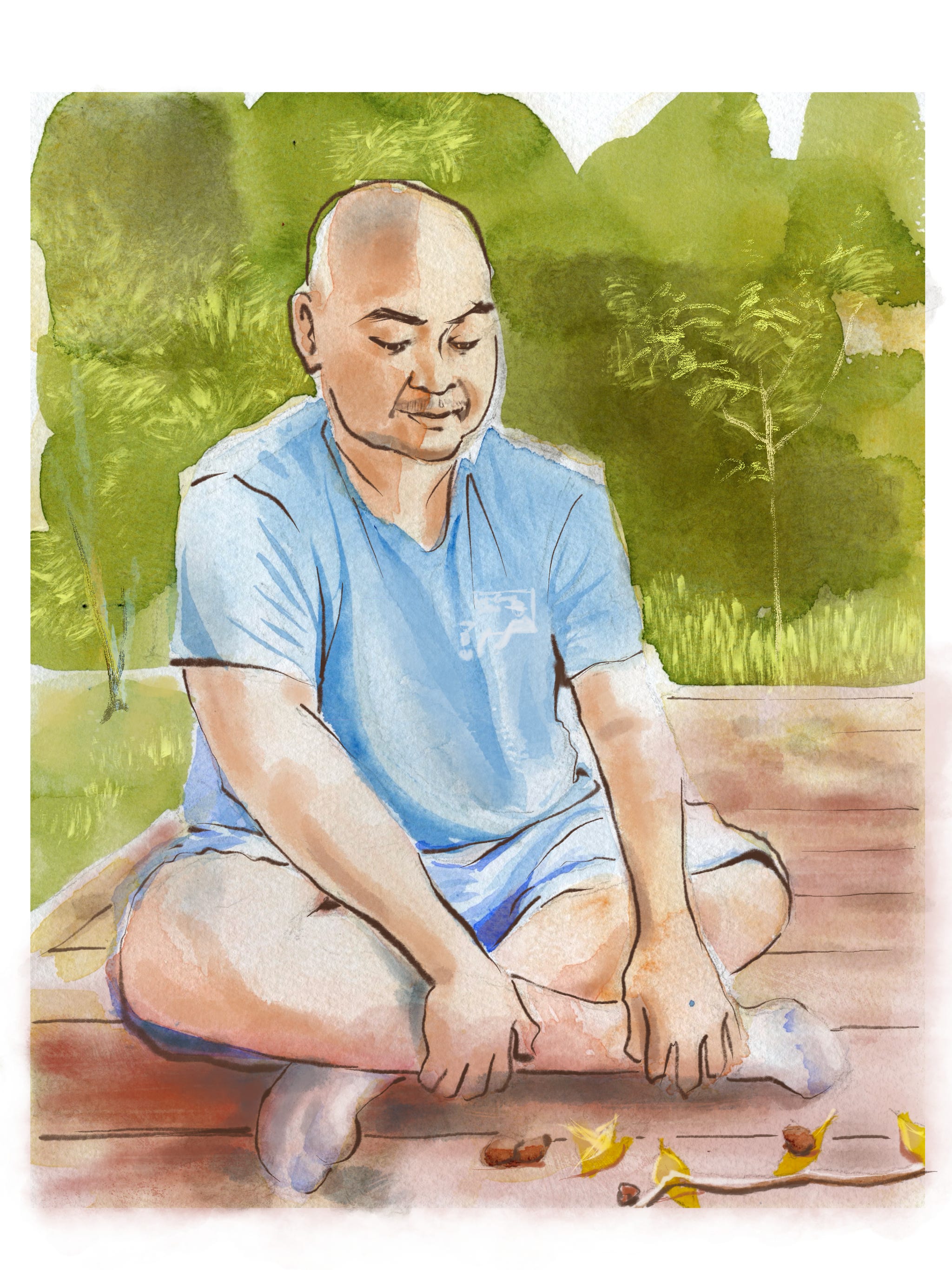
“Coming to America, it’s a bad thing to me. I loved my friends and I loved being in China. It wasn’t my choice. My parents migrated to America for a better life and that’s a significant event in my life that makes me a part of America.”
“Also good and bad. I wouldn’t say it’s all bad.” He slips a yellow leaf under the rock.
“And then…committing a robbery, going to prison. I was sixteen.”
“Very bad, first going to Pelican Bay State Prison at eighteen. Very bad, seen a lot of ugly things. A place I wish I never went to.”
“But then, a few years later, I got out of it. I’ma pick the biggest leaf – actually, that is one of the happiest moments of my life.”
“And then, I think in my thirties, I started to educate myself. To learn about the world that I never experienced, never feel, I never understand. So that is a good thing.” He gently places another leaf on the timeline. “I was at Solano State Prison. I was reading a lot. I also come to build my own self confidence. Learned that I am smart. That comes with good and bad. Because one thing I’m learning and I’m building up confidence, and the other thing is I realize that I wasted most of my life instead of living up to my full potential. That is also very sad. That’s a big rock.”
Birds are chirping overhead as we sit on the deck, gazing down at the story of leaves and rocks at our feet.
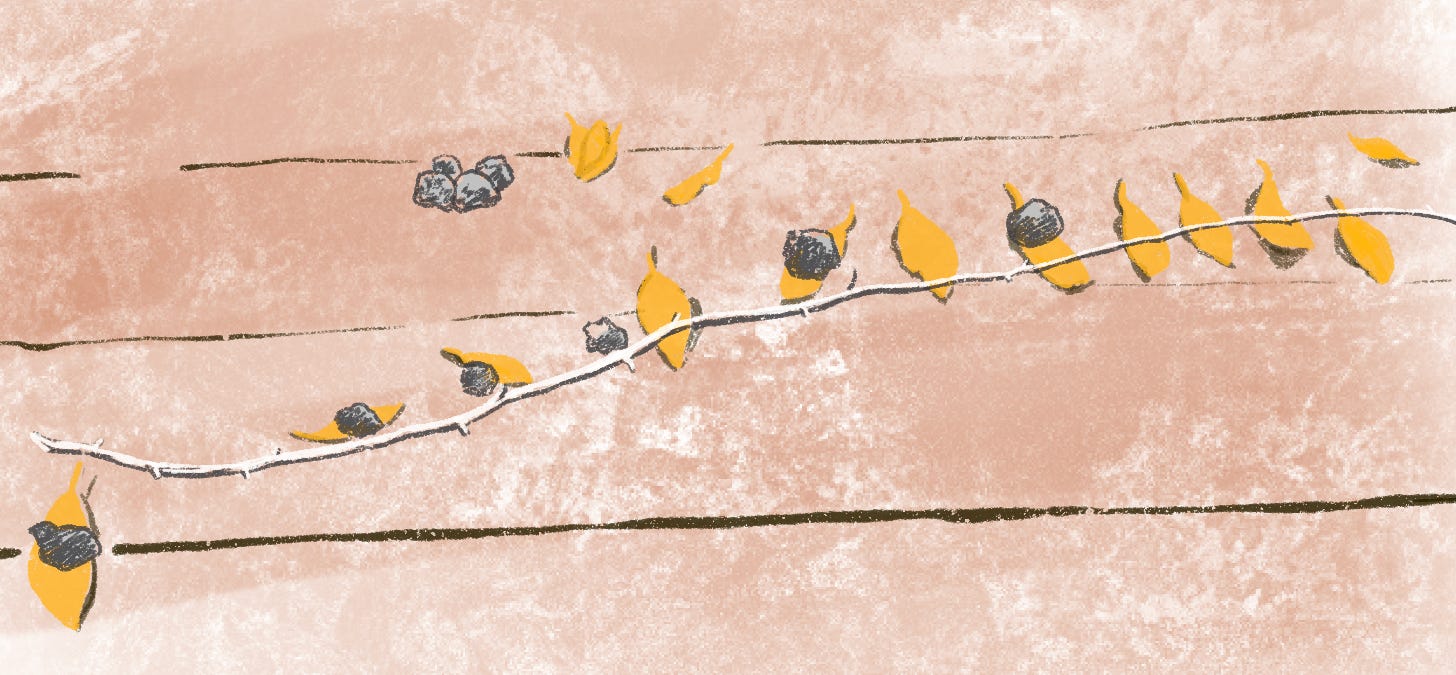
“And then I took some college courses, which is really good. In San Quentin. Really liked it. And then, I was released! Which is also really good.” Two bright yellow leaves for the timeline.
“But it was also very bad because I went to ICE.”
“I was thirty seven years old when I was in ICE. Spent eleven months there. Very bad.”
I met S. a few months after he was released, in 2018. I’ve been following developments in his life ever since.
I think a lot about how to tell a story.
I have a lot of interviews I’ve done with S. and other folks who have experienced ICE detention. Their life stories are full of good and bad. But NOWHERELAND is also about the systems they had to navigate. There is a lot of information I need to convey.
I think everyone in America needs to know this stuff, and yet they don’t. How do I change this?
My niece, who is a very good student but also very much an Instagram-using teenager, told me recently that having to scroll through too much writing makes her less likely to read a long article or essay, if she’s on her phone. If she reads on a computer, she will read longer stuff. But if she’s on a computer, it probably means she’s doing something for school.
Do headings help?
I asked my niece, so if I add headings to break up long text, and the headings point to topics or answer the questions you have that are driving your reason to be searching on the internet, would you be more likely to read? She said yes. Glorious!
What about pictures?
I also asked my niece if breaking up the text with pictures would make her more likely to read. She said yes. As my junior high school French teacher used to exclaim, formidable!
Cool, but how do I make this fun for me?
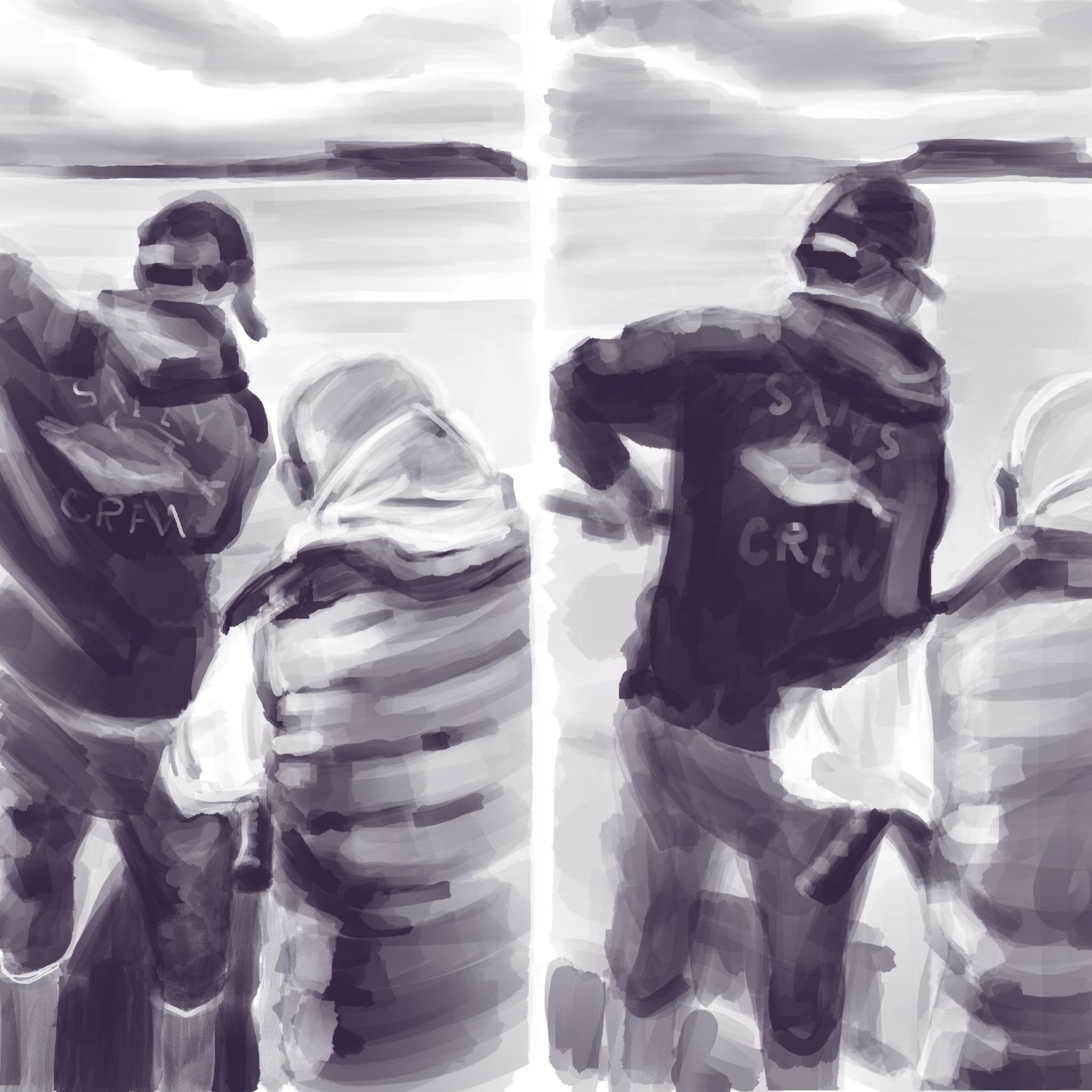
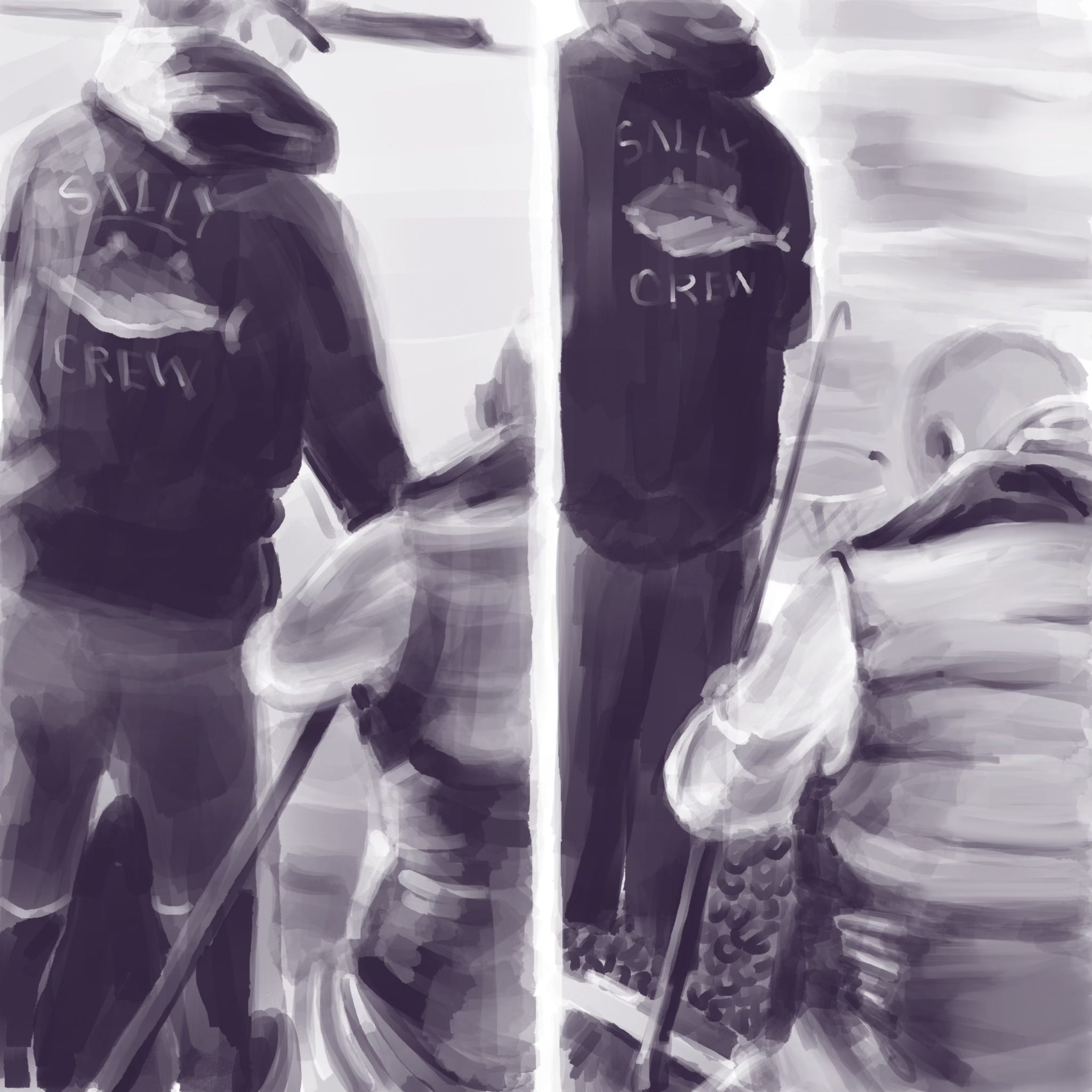
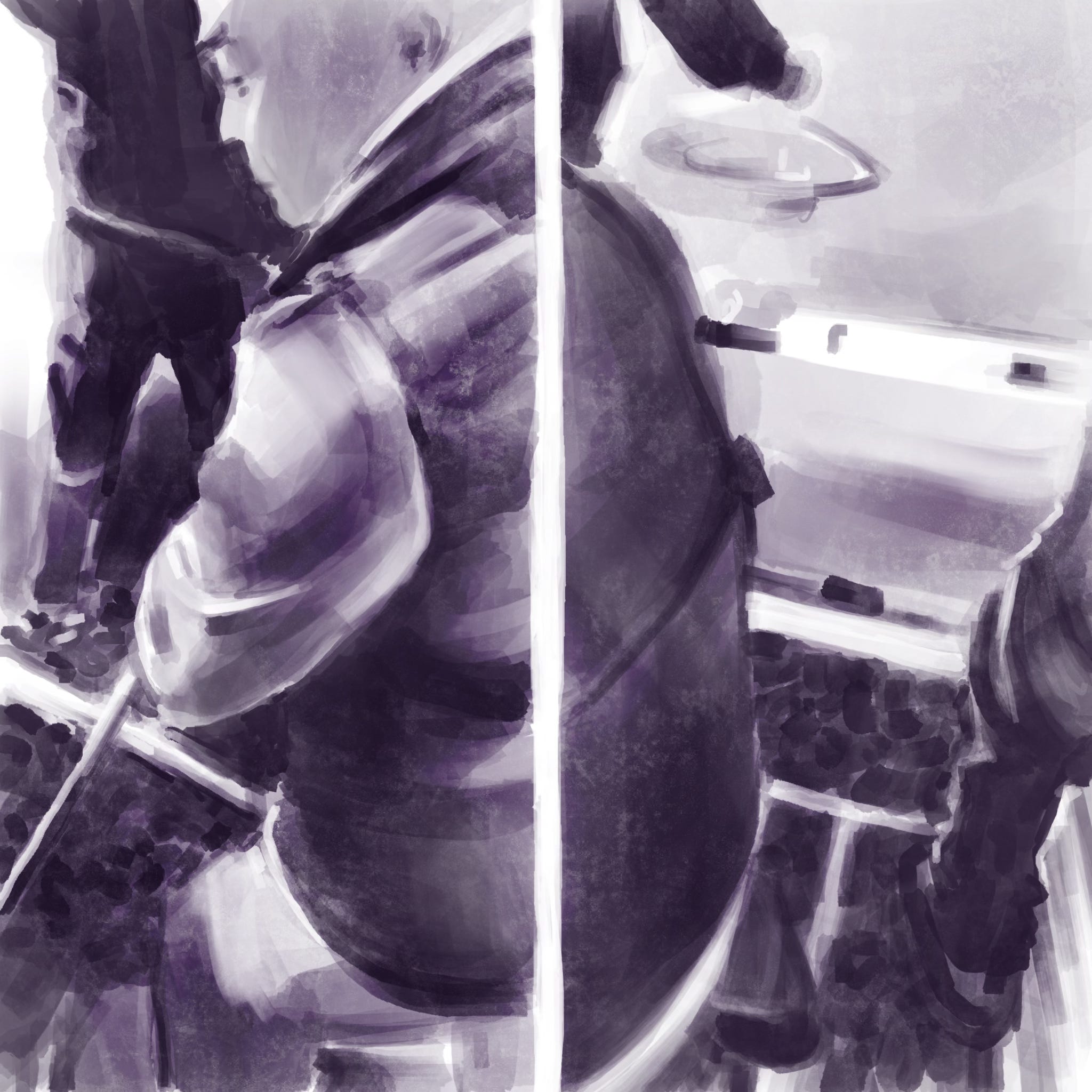
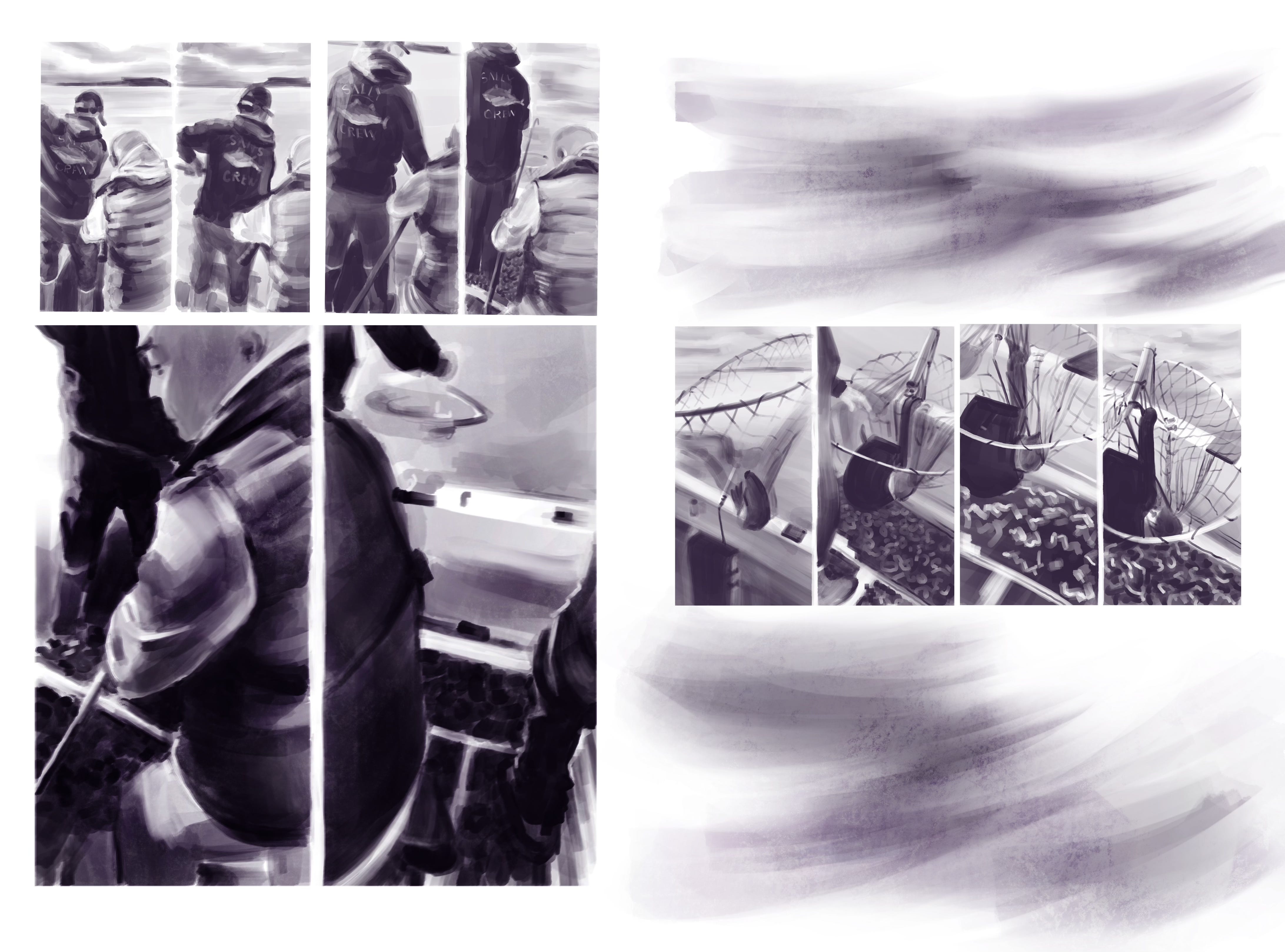
I’ve been thinking about images and vertical scrolls and horizontal swipes through carousels and the instances where that feels pretty cool. Sometimes I want to try stuff out.
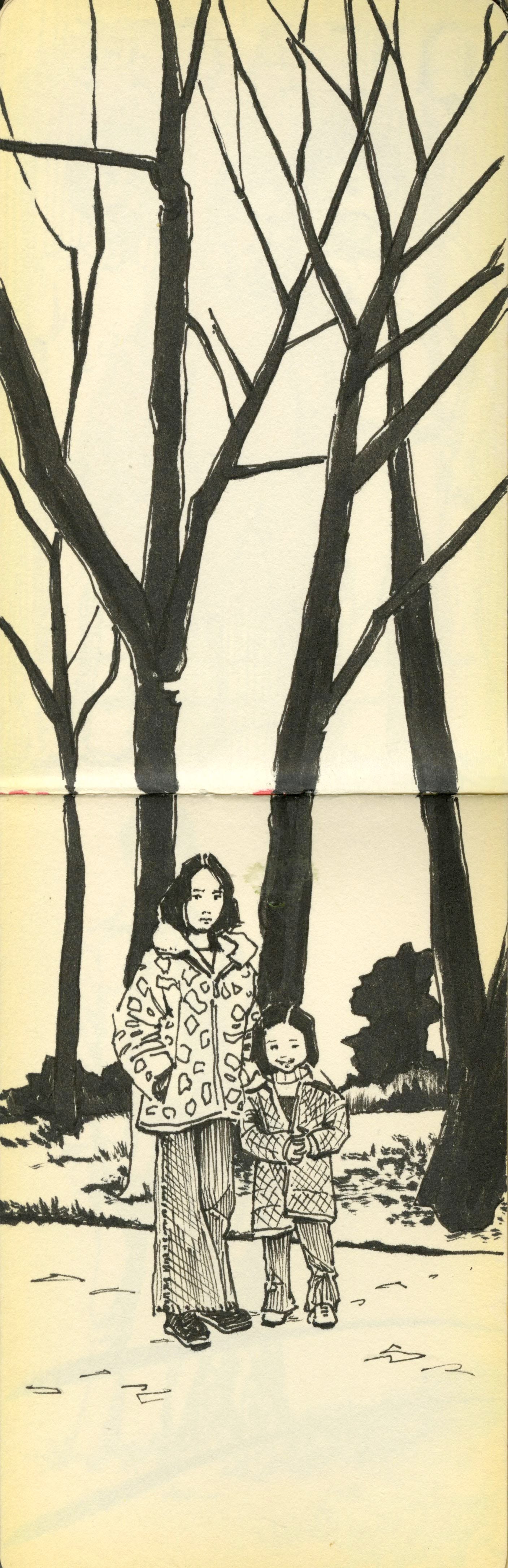
That was kinda fun. Let’s do that again.
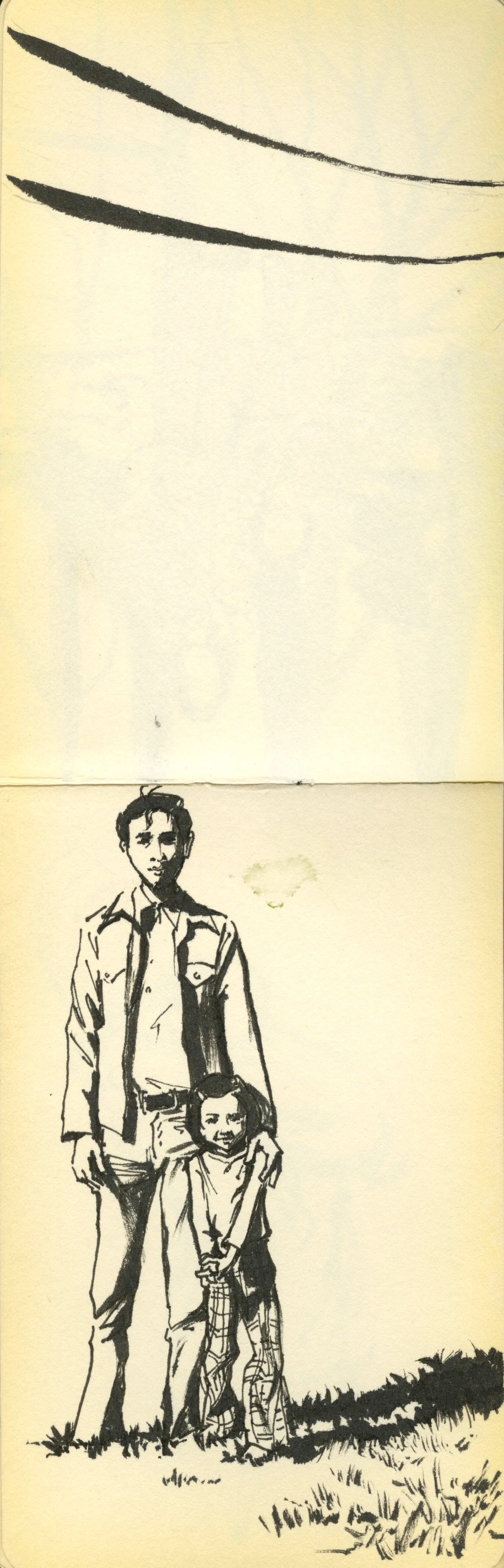
And now a shorter one for punctuation.
Cool.
Alright, so I wouldn’t say I’m SUPER excited about exploring the frontiers of reading on the internet, but it is a real part of my work, taking into account people’s reading habits that have been shaped by the tools they use. Hopefully la plupart of my brain goes into the content of my writing and the craft of writing good sentences and drawing good pictures. But there is an extra stomach where I am still digesting some old stuff, like a cow, chewing grass, thinking about how we alienate or include readers by how we present our ideas. And how treating this as an interesting design problem can sometimes lead to interesting leaps in thinking and creating.
I am remembering meeting graphic designer Ellen Lupton a long time ago and being taken with her simple statement that design is art that people use.
And I am remembering saying after the success of The Best We Could Do, that I didn’t have too many ambitions beyond it, so I figured I’d just try to be useful. I think a sometimes cartoonist and a former high school teacher who by training, differentiates for very different types of readers, can be pretty useful for educating the people when so many forces want to keep them ignorant, overwhelmed, and distracted. I just have to remember to pull out all the different ways of making I have tried, and keep trying things.
It is a little humbling to write for a few hundred readers on Substack when I am used to getting thousands of views for a dumb picture I post on Instagram. But I am also reminding myself that it is good to have a low-stakes place to experiment.
I read this on my phone and I do like the headings! But I also grew up with floppy discs so I'm cool without too. I really appreciated the visual of leaves and the timeline with s. I will definitely look at leaves a bit differently now.